
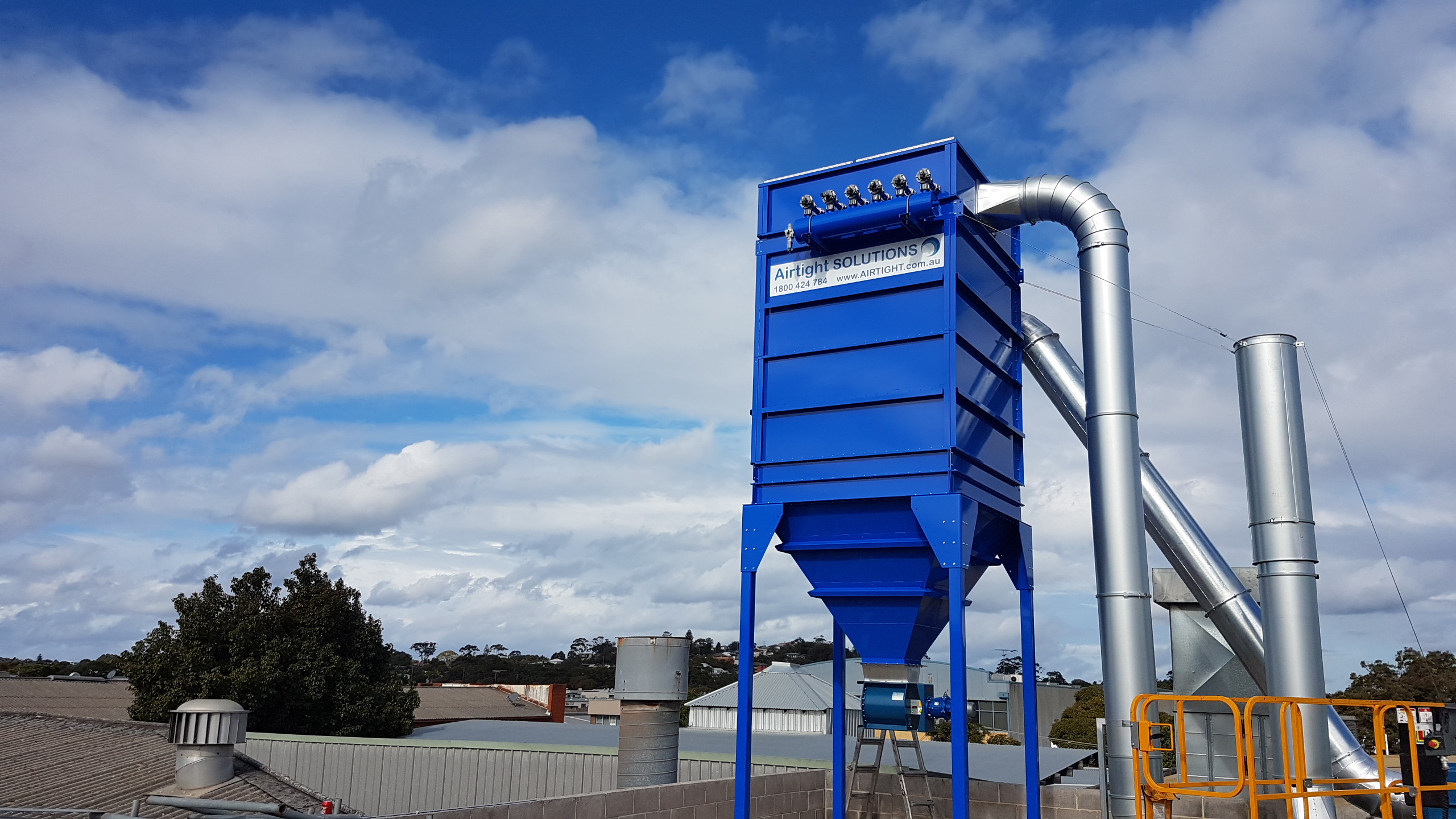
In modern industrial settings, maintaining clean air is not just a matter of comfort—it’s essential for worker safety, environmental compliance, and operational efficiency. One of the most effective tools used to achieve this goal is the pulse jet dust collector. These systems are widely utilized across various industries, from cement manufacturing to food processing, due to their high efficiency and reliability in capturing fine particulate matter.
Unlike traditional mechanical shaker or reverse-air dust collectors, pulse jet models offer a more advanced method of filter cleaning, ensuring consistent airflow and minimal downtime. This article explores how these systems work, their key components, benefits, and applications, helping you understand why they’ve become a staple in industrial air filtration.
How a Pulse Jet Dust Collector Works
At its core, a pulse jet dust collector operates by drawing contaminated air through a series of fabric filter bags or cartridges. As the air moves through the filters, dust and other particulates are trapped on the surface, allowing only clean air to exit the system. What sets pulse jet models apart is the way they clean the filters—using short bursts of compressed air directed downward into the filter media.
This cleaning process, known as “pulsing,” is triggered either on a timed schedule or based on pressure differential readings. When activated, a solenoid valve releases a powerful burst of compressed air through a venturi tube at the top of each filter. This creates a rapid expansion that flexes the filter, dislodging accumulated dust and sending it falling into a hopper below.
The beauty of this design lies in its simplicity and effectiveness. Unlike systems that require shutdowns for manual cleaning, pulse jet units can operate continuously, with cleaning cycles happening without interrupting the airflow.
Key Components of a Pulse Jet Dust Collector
To fully appreciate how a pulse jet dust collector functions, it’s important to understand its main components:
- Filter Media : Typically made of woven or non-woven synthetic fibers, these filters are designed to trap particles while allowing air to pass through. They come in various shapes, including cylindrical bags or pleated cartridges.
- Clean Air Plenum : This chamber houses the clean side of the filters and allows purified air to be exhausted or recirculated back into the facility.
- Dirty Air Chamber : Located beneath the clean air plenum, this area receives the contaminated air before it passes through the filters.
- Pulse Valve Assembly : The pulse valves control the release of compressed air during the cleaning cycle. Each valve corresponds to a specific row or group of filters.
- Compressed Air System : A reliable source of compressed air is crucial for effective filter cleaning. The system must provide sufficient volume and pressure to ensure thorough dust removal.
- Control Panel : Modern units often include programmable logic controllers (PLCs) that manage cleaning intervals, monitor pressure drops, and alert operators to potential issues.
Together, these components work in harmony to maintain optimal performance, ensuring that the system continues to capture dust efficiently over time.
Advantages of Using a Pulse Jet Dust Collector
There are several compelling reasons why many industries prefer pulse jet dust collectors over other types of dust collection systems:
- High Efficiency : With proper maintenance, these systems can achieve filtration efficiencies exceeding 99%, even for sub-vmicron particles.
- Continuous Operation : Since cleaning occurs without shutting down the system, there’s no disruption to production processes.
- Longer Filter Life : The quick, targeted cleaning method reduces wear on filter media compared to continuous shaking mechanisms.
- Lower Maintenance Requirements : Automated cleaning reduces the need for frequent manual intervention, lowering labor costs and minimizing downtime.
- Compact Design : Many modern models are engineered to occupy less floor space, making them ideal for facilities with limited room.
These advantages make pulse jet dust collectors particularly well-suited for applications involving high dust loads or environments where air quality standards are strict.
Common Applications Across Industries
The versatility of pulse jet dust collectors makes them suitable for a wide range of industrial applications. Some of the most common sectors utilizing these systems include:
- Cement and Concrete Production : Dust generated during grinding, mixing, and conveying operations is effectively captured, preventing health hazards and equipment damage.
- Metalworking Facilities : Whether cutting, welding, or grinding metals, these processes release fine particulates that must be removed to protect workers and comply with OSHA regulations.
- Woodworking Operations : Sawdust and wood chips can pose both fire and respiratory risks. Pulse jet systems help maintain a cleaner, safer environment.
- Food Processing Plants : In environments where flour, sugar, or spices are handled, airborne particles can create explosion hazards and hygiene concerns.
- Pharmaceutical Manufacturing : Maintaining ultra-clean air is critical in drug production, where cross-contamination must be avoided at all costs.
Each application may require slight modifications in filter material, airflow capacity, or housing design, but the fundamental operation remains consistent.
Choosing the Right Pulse Jet Dust Collector for Your Needs
Selecting an appropriate pulse jet dust collector involves careful consideration of several factors:
- Airflow Volume (CFM) : Determining the required cubic feet per minute ensures the system can handle the volume of air being processed.
- Dust Characteristics : Particle size, shape, moisture content, and abrasiveness all affect filter selection and overall system performance.
- Space Constraints : Depending on the layout of your facility, you may opt for a vertical or horizontal configuration to maximize available space.
- Regulatory Compliance : Different regions have varying emissions standards, so it’s important to choose a system that meets or exceeds local requirements.
- Energy Consumption : Energy-efficient models with variable frequency drives (VFDs) can significantly reduce long-term operating costs.
Consulting with an experienced engineer or vendor can help tailor the system to your specific needs, ensuring optimal performance and return on investment.
Maintenance Tips for Long-Term Performance
Like any industrial equipment, regular maintenance is essential to keep a pulse jet dust collector running smoothly. Here are some best practices:
- Monitor Pressure Drop : A rising pressure differential across the filters indicates that cleaning cycles may need adjustment or that filters are nearing the end of their lifespan.
- Inspect Compressed Air Quality : Moisture or oil contamination in the compressed air supply can degrade filter performance and shorten their life.
- Check Seals and Gaskets : Leaks can allow unfiltered air to bypass the system, reducing efficiency and increasing emissions.
- Replace Filters Timely : Overloaded or damaged filters can cause significant performance issues and increase energy use.
- Keep Records : Documenting maintenance activities, filter replacements, and system alerts helps identify trends and anticipate future needs.
Implementing a preventive maintenance schedule can extend the life of your dust collector and prevent costly breakdowns.
Conclusion
In today’s industrial landscape, where environmental responsibility and workplace safety are paramount, the pulse jet dust collector stands out as a dependable solution for managing airborne particulates. Its ability to operate continuously, combined with efficient and automated filter cleaning, makes it a preferred choice across a broad spectrum of industries.
From cement plants to pharmaceutical labs, these systems play a vital role in protecting both people and equipment. By understanding how they work, what components are involved, and how to maintain them properly, businesses can ensure long-term efficiency and compliance.
Whether you’re looking to upgrade an existing system or install one for the first time, investing in a well-designed pulse jet dust collector is a step toward cleaner air, healthier employees, and smoother operations.