
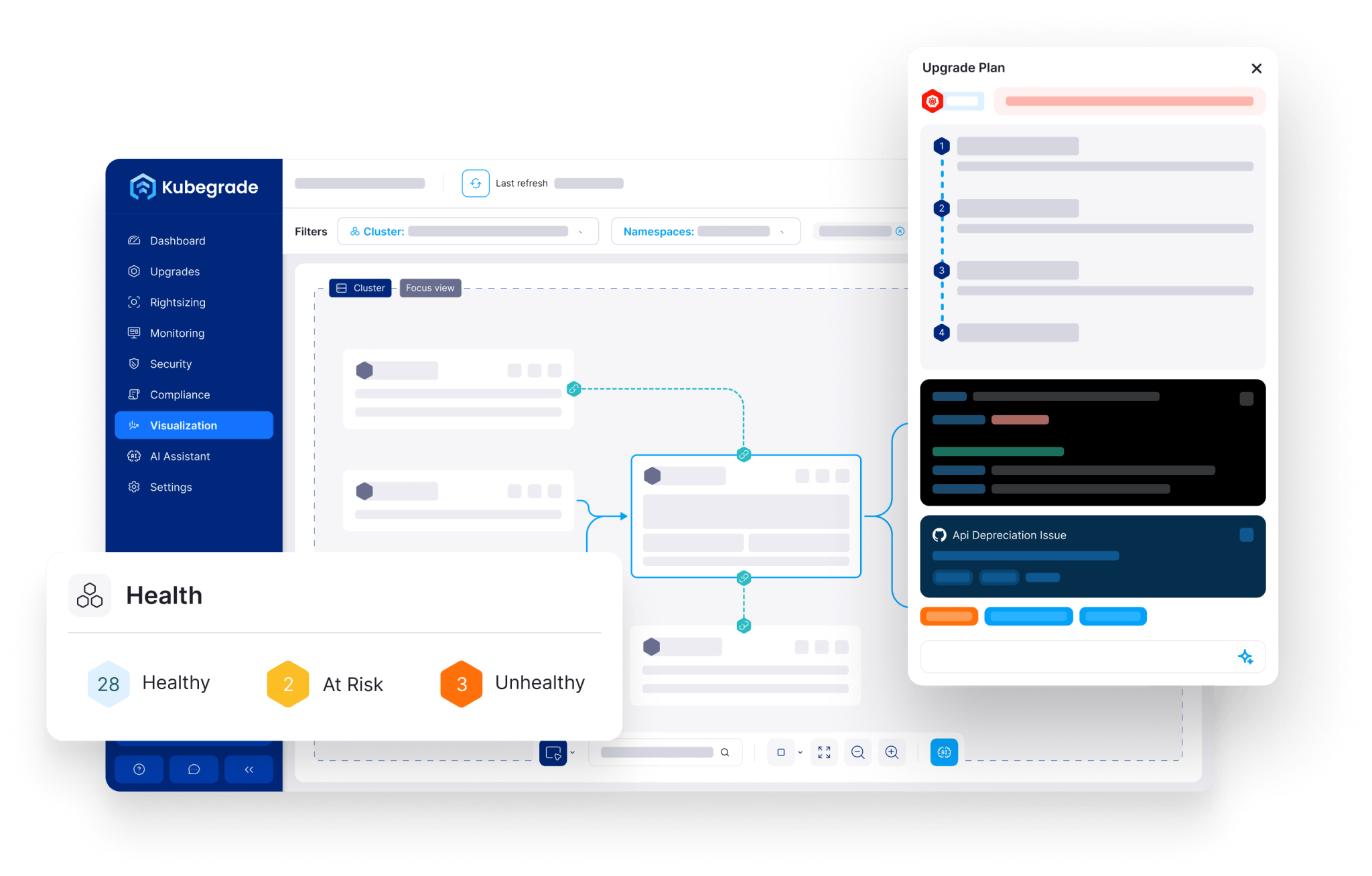
Scalability is vital in today’s digital-first financial ecosystem. This makes it important for Fintech businesses to transform quickly to align with the increasing demand, market fluctuations, and compliance updates. Being an open-source container orchestration platform, Kubernetes has emerged as the solution to achieve scalability in the Fintech industry. It is a game-changer technology that enables Fintech companies to advance quickly and precisely. Kubernetes has stood out as a transformative force in the financial service business due to its ability to enhance business operations. Let us see how Kubernetes has transformed operations in the financial industry.
Scalability and Agility
Fintech businesses need a strong infrastructure that can quickly grow to accommodate demand variations in all seasons. The container orchestration features of Kubernetes enable dynamic scaling. It automates deployment, scaling, and administration of containerized apps to allow Fintech organizations to effectively manage surges in user traffic. This agility is vital for financial applications relying on real-time information because it allows consistent user experience, thus reducing latency. It offers elastic scaling, high availability, and cost optimization to reduce overhead costs.
Streamlining DevOps and Consistent Deployment
Kubernetes streamlines DevOps by offering a single platform for development, assessment, and development. With this connectivity, financial service companies can now deploy continuous connectivity and consistent deployment pipelines. They can evaluate and deploy code quickly while maintaining high reliability using automated rollouts and rollbacks. With continuous Kubernetes cluster upgrades, Fintech businesses can enjoy its benefits without worrying about performance interference or security breaches. It reduces human errors through automation, improves collaboration between operation and development teams, and simplifies workflows for connectivity and deployment processes.
Cost Optimization
When it comes to the Fintech business, cost control is vital. Kubernetes provides strong resource management capability to guarantee effective use of computer resources. It helps avoid overprovisioning and cuts cloud expenses, allowing organizations to optimize costs by scaling resources up or down as per real consumption. Kubernetes offers cost optimization benefits, including lower infrastructure costs, efficient resource utilization, and cost visibility.
Improving Security and Compliance
In the financial sector, security and compliance with laws and regulations are important. Kubernetes is among the security mechanisms that protect private and ensure compliance. Secrete management and role-based access control is among the methods that help businesses implement strong security measures. Additionally, integrating Kubernetes with services strengthens security. With Kubernetes, Banks can have robust access control for secure workloads and comply with industry regulations.
High Availability and Disaster Recovery
Fintech services require constant upgrades and reliability, as any interruption can cause significant economic loss and reputation damage. Kubernetes self-healing capabilities ensure workloads are rescheduled to health nodes in the event of node malfunction, leading to high availability. Moreover, Kubernetes enhances disease recovery, guaranteeing business continuity through replication and distribution of services across several locations. The benefits of Kubernetes include automated recovery with minimal human interventions and hybrid cloud support for diversified risk management.
In conclusion, Kubernetes has changed how cloud operations in Fintech businesses are handled by enhancing scalability, flexibility, and secure infrastructure. With the help of Kubernetes, financial service companies can improve their customer service, embrace digital transformation quickly, and achieve a competitive edge in a fast-growing market.