So there I was, running late to this corporate mixer at the Royal York. You know how it is – traffic on the Gardiner, couldn’t find parking, the usual Toronto nightmare. I’m rushing through the lobby expecting to slip into yet another beige ballroom with those awful overhead lights that make everyone look like they have the flu.
But when I opened those doors? Holy shit. Sorry, but that was literally my first thought. The whole place looked completely different.
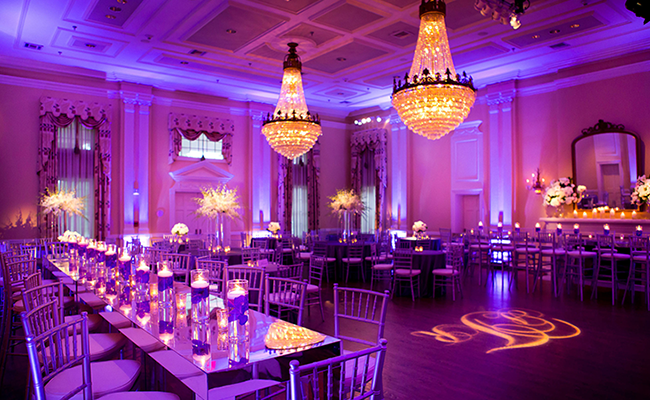
Instead of the usual hotel lighting setup, they had these warm lights tucked behind every column, making the marble glow like something out of a movie. The speaking area had this dramatic lighting that made it look important, not just another PowerPoint presentation. And there were these panels behind the stage that were shifting colors – not in an obvious way, but just enough to make everything feel alive.
I stood there for a solid minute just taking it in. Then I realized – this is why some events stick with you and others you forget before you get to your car.
Everyone’s Obsessed With Lighting Now (And Here’s Why)
That was it.
Now? They’re sending me screenshots from Instagram stories at 11 PM asking if we can recreate this lighting setup they saw at their friend’s wedding. Everyone’s become a lighting expert overnight, and honestly, it’s about time.
Here’s the thing though – they’re not wrong to care about it. Bad lighting can kill a good event faster than running out of wine. I’ve seen million-dollar product launches that fell flat because nobody could see what was being launched. Wedding receptions where the bride looked washed out in her own photos. Corporate events where people were squinting at their name tags because the lighting was so harsh.
But good lighting? It’s like magic. Warm lighting makes people want to hang around and actually talk to each other instead of checking their phones. Bright, cool lighting keeps everyone awake during those post-lunch presentations. And if you can change the lighting throughout the night, you’re basically controlling the energy of the room.
Once you start noticing this stuff, you can’t stop. You’ll walk into a restaurant and immediately know why it feels romantic or why a retail store makes you want to browse for hours. It’s all about the lights.
Why Buying Your Own Lights Is Usually a Terrible Idea
Every few months, some client asks me, “Wouldn’t it just be easier to buy some lighting equipment?” Usually after they’ve seen the rental quote and had a minor heart attack.
I get it. When you’re looking at spending $3,000 on lighting rental for one night, buying seems logical. But let me tell you what happened to my buddy Mark who owns a catering company.
Mark decided to invest in his own lighting setup about four years ago. Dropped $25,000 on what seemed like a good basic package. Within six months, he was paying for storage space. Within a year, half the fixtures needed repairs. Within two years, the technology looked outdated compared to what event lighting rental Toronto companies were offering.
The worst part? He was stuck using the same setup for every event because that’s what he owned. No flexibility, no ability to scale up for bigger events or try new effects. He finally sold everything at a massive loss and went back to renting.
Storage alone is a nightmare. Where are you going to keep twenty lights plus all the cables, controllers, and cases? Most people don’t have an extra garage sitting around. And these aren’t things you can shove in a closet and forget about – they need climate control, regular maintenance, software updates.
Plus, the technology changes so fast. The wireless control systems that everyone wants now didn’t even exist five years ago. LED technology keeps improving. Color options keep expanding. When you rent, you get access to the latest stuff every time without the upgrade costs.
The Gear That Actually Matters
Let me break down the different types of lighting without getting too technical, because most of this industry loves to overcomplicate things.
Uplights are your foundation. Think of them as makeup for your venue – they smooth out the ugly bits and make everything look better. You put them around the room, usually on the floor, and they wash the walls with color. The new LED ones can change colors instantly, which is incredible when you want different moods for different parts of your event.
Spotlights are simple – they put bright light exactly where you want it. Speaker needs to be seen? Spotlight. Want to highlight those expensive centerpieces? Spotlight. Creating a dramatic entrance? Multiple spotlights. The key is not going overboard. I’ve seen events that looked like prison yard searches because someone went spotlight-crazy.
Moving head fixtures are where you can have some fun. These are the lights that move around, change colors, project patterns. They’re great for creating energy and visual interest, but use them wrong and your corporate event looks like a nightclub. I usually save the dramatic movement for cocktail hours and parties.
LED walls are everywhere now, and they’re actually practical. Instead of squinting at a tiny screen from across the room, you get bright, clear displays that everyone can see. They’re perfect for live feeds, presentations, or just displaying graphics that tie into your theme.
Wash lights are boring but essential. They provide even coverage so people can see each other, read their programs, navigate safely. Not glamorous, but try hosting an event without them and see how that goes.
Corporate Events That Don’t Suck
Last spring, I worked on this tech conference at the Convention Centre. The client initially wanted to save money by using just the building’s basic lighting. I practically begged them to reconsider, and thank god they listened.
During the main presentations, we kept things bright and cool to keep people alert. Nobody wants to fall asleep during a keynote, especially one they paid $500 to hear. But for the breakout sessions, we warmed things up, made them feel more intimate and conversational.
The lunch networking session was where things got interesting. Instead of the usual cafeteria lighting, we used color-changing uplights that shifted throughout the hour. Sounds gimmicky, but it kept the energy up and gave people something to talk about.
But the product demos were the real showstopper. Instead of just turning up the house lights when companies presented, we used coordinated spotlights and LED displays. One company was launching an AI platform, and we synced the lighting to actually respond to their demo in real time. The audience was mesmerized.
The feedback was incredible. People kept talking about how “professional” and “engaging” the event felt. That wasn’t the content – that was the lighting doing its job.
I’ve done corporate galas where the right lighting made a generic hotel ballroom feel like the Met Gala. Award ceremonies where winners felt like celebrities walking on stage. Trade shows where certain booths were impossible to ignore because of strategic lighting choices.
The business case is obvious when you think about it – better lighting leads to more engaged audiences, better networking, stronger impressions of your brand. That translates directly to better outcomes, whether that’s sales, partnerships, or employee satisfaction.
Celebrations Are Where This Really Gets Fun
Corporate events have rules, but celebrations? That’s where you can really go wild.
I did this wedding last summer at a community center in Etobicoke. Not exactly the Plaza, if you know what I mean. The bride was stressed because she’d seen her friend’s wedding at some fancy country club and thought she’d made a mistake with her venue choice.
We used uplighting in soft blush and gold tones to warm up those institutional walls. String lights created this magical canopy over the dance floor. Spotlights highlighted their sweetheart table so it looked like something from a magazine. By the time we were done, you would have sworn it was a high-end venue.
The best part was watching people’s faces when they walked in. You could see them doing double-takes, pulling out their phones to take pictures. That’s when you know you’ve succeeded.
Cultural celebrations are some of my favorites because there’s always a story to tell. I worked on this incredible Diwali party at the ROM last year. Obviously, we had to be super careful around the artifacts, but we created this warm, golden lighting throughout the space that captured the whole “festival of lights” feeling. Used amber uplights to make the galleries glow, strategic spotlights to highlight the ceremonial areas. It was like the museum itself was celebrating.
Bar mitzvahs are always fun because you’re trying to balance what the kids want (basically a concert) with what the parents want (something elegant they can show their friends). Moving lights and color changes keep the energy up during the party portion, but you can dial it back for the ceremony and dinner.
Birthday parties, anniversary celebrations, retirement parties – they all have their own personality, and lighting helps tell that story.
Real Toronto Stories
Let me tell you about some events that really show what’s possible.
Evergreen Brick Works is gorgeous but tricky. Those industrial spaces can feel cold and unwelcoming if you’re not careful. Last fall, I did a 25th anniversary party there for a pharmaceutical company. We must have used fifty uplights to warm up those brick walls, making them glow like firelight. Moving head fixtures created these amazing patterns on the ceiling that made everyone look up and really appreciate the architecture.
The CEO pulled me aside afterward and said it was the first corporate event he’d been to where people didn’t leave early. They actually had to kick people out at the end because no one wanted to go home.
Then there was this AI conference at Liberty Grand where the organizers wanted something futuristic but not cheesy. We used LED walls to create this immersive environment that actually responded to the presentations in real time. During one demo, the room’s lighting changed colors based on the data being processed by the AI system. Sounds ridiculous, but it was incredible to watch. Made the technology feel alive instead of abstract.
My personal favorite was this multicultural wedding at Casa Loma. The couple wanted to honor both Indian and Italian traditions, so we created different lighting zones throughout the castle. Rich reds and golds for the Indian ceremony spaces, softer whites and creams for the Italian reception areas. As people moved through the evening, the lighting guided them through different cultural experiences while still feeling cohesive.
Finding Someone Good in This City
After working with probably twenty different lighting companies in Toronto, I’ve learned what matters and what doesn’t.
Equipment quality is obvious – nobody wants lights that flicker or controllers that crash mid-event. But what really separates the good companies from the great ones is venue knowledge. Toronto has such weird and wonderful event spaces. Historic buildings with quirky electrical systems. Modern hotels with built-in limitations. Unique venues like the CN Tower or Centre Island that present their own challenges.
The companies I keep working with are the ones who walk into a space and immediately know what will and won’t work. They can tell you that the Distillery District buildings have limited power, or that certain fixtures won’t work well with the ROM’s artifact preservation requirements.
Technical support is huge. Modern lighting systems are basically computers that happen to produce light. When something goes wrong – and it will go wrong – you want people who can fix it fast without disrupting your event. I’ve seen good technicians save events when major equipment failed. I’ve also seen companies panic and leave clients literally in the dark.
But honestly, the biggest thing is communication. Event planning is stressful enough without vendors who don’t return calls or spring surprise costs on you. The companies I recommend treat your event like it’s the most important thing they’re working on, even if they’re juggling ten others that week.
Always ask about backup plans. What happens if a fixture dies during your event? Do they bring extra equipment? Will someone be there to handle problems? These aren’t fun conversations, but they’re important.
What’s Coming Next
The lighting world moves fast, and some of the new stuff is genuinely exciting.
Wireless control is getting so good that I can adjust an entire room’s lighting from my phone in real time. If the energy at a networking event is higher than expected, I can brighten things up to match. If a keynote speaker needs more intimacy, I can warm up the room with a few taps.
AI integration is starting to appear in high-end systems. Lighting that automatically adjusts based on crowd energy, or fixtures that sync with social media activity to create interactive experiences. I used an early version at a product launch where the lighting got brighter and more dynamic as the applause got louder. Created this amazing feedback loop.
Sustainability is becoming a bigger deal too. The newest LED fixtures use maybe 10% of the power that older systems needed. Some companies are experimenting with solar setups for outdoor events. It’s not just environmental – it can cut power costs dramatically for big installations.
Interactive systems that respond to movement or sound are creating new possibilities for audience engagement. I’m seeing early versions at trade shows and conferences where the lighting literally changes based on foot traffic or noise levels. Makes people feel like they’re part of the show instead of just watching it.
The Real Deal
Here’s what I wish someone had told me twelve years ago: lighting isn’t some fancy add-on you consider if you have money left over. It’s the foundation that makes everything else work.
You can have the best food, the most interesting speakers, the most beautiful decorations, but if your lighting is wrong, people will feel it. They might not know exactly what’s off, but they’ll be checking their phones, looking for exits, generally not having the experience you wanted them to have.
Good lighting makes people want to stay, want to engage, want to be part of what’s happening. It’s the difference between an event people forget and one they talk about for months.
The rental approach just makes sense. You get professional equipment, expert knowledge, and access to the latest technology without any of the headaches of ownership. In a city like Toronto with so many good options, there’s no reason to settle for mediocre.
Don’t make lighting an afterthought. Bring lighting people into your planning process early. They’ll suggest things you never would have thought of and help you avoid expensive mistakes.
Your guests might not consciously notice great lighting, but they’ll absolutely feel the difference. And isn’t that what we’re really after? Creating experiences that people remember, enjoy, and want to be part of?
Next time you’re at an event that just feels right – where everything clicks and the energy is perfect – take a look around at the lighting. Once you start seeing it, you’ll never stop.