
From floating wind farms to massive port expansions and high-speed rail corridors, infrastructure megaprojects are multiplying across the globe. These aren’t your typical construction jobs. They involve extreme scale, engineering complexity, and logistics that rival space launches. As these projects break new ground—both literally and technologically—they also raise a critical question: can today’s lifting equipment keep up?
Modern infrastructure isn’t just about concrete and steel. It’s about assembling prefabricated bridge segments that weigh hundreds of tons. It’s about maneuvering shipping containers in tighter port configurations. It’s about installing modular data centers on rooftops and maneuvering massive battery arrays into tight urban spaces. These challenges demand more than brute strength—they require precision, adaptability, and rigorous safety standards.
Lifting technology is undergoing a quiet but significant evolution in response. Old assumptions about how loads are balanced, moved, and secured are being revisited. The stakes are high: one miscalculated lift can cause delays, damage, and safety risks costing millions.
The Shift Toward Customization and Engineering Partnerships
What’s becoming clear is that one-size-fits-all lifting solutions no longer apply. General-purpose equipment often falls short when megaprojects involve non-standard loads or complex terrain. Project managers now expect equipment partners to provide engineered solutions tailored to each job—whether it’s a rigging setup for offshore installations or a high-clearance beam system for wind turbine blades.
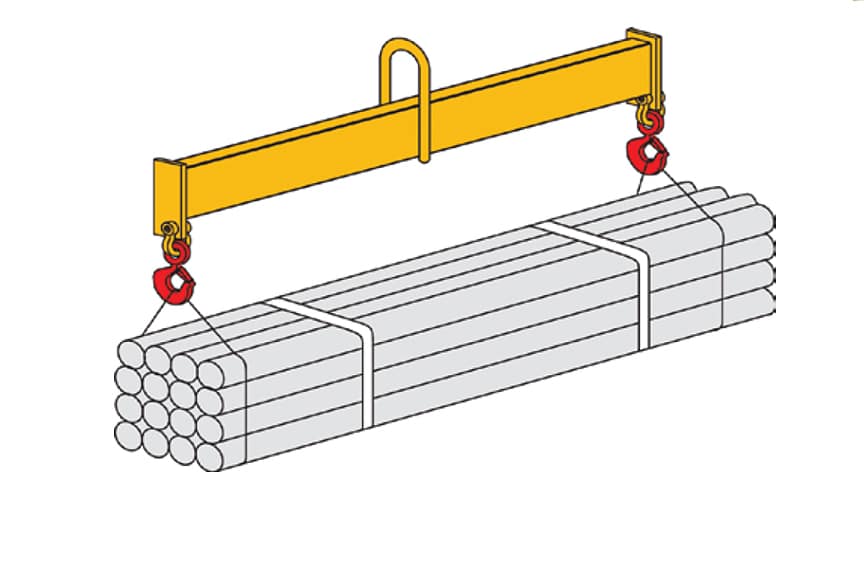
This trend has fueled demand for highly specialized spreader beams and lift systems that can be adapted in real time. Equipment providers that offer modularity, high load ratings, and integration with smart sensors are gaining ground.
One example of this evolution is the Tandemloc spreader beam, a brand that has carved out a reputation for delivering both customization and durability under the extreme conditions these projects demand.
Safety and Compliance: No Longer Afterthoughts
The bigger the lift, the more scrutiny it receives. Regulatory bodies and insurers are tightening oversight, especially in industries like maritime logistics, aerospace, and energy. Lifting devices must now meet not only engineering specs but digital traceability standards. Logging data from each lift, monitoring strain in real time, and validating structural integrity before and after use are becoming best practices.
This convergence of tech and hardware is shaping the future of lifting—not as an isolated activity, but as a core component of risk management, quality assurance, and project continuity.
Final Thoughts
Infrastructure megaprojects are reshaping the physical and digital landscapes of our time. But behind every awe-inspiring structure is a moment where tons of material must be lifted with perfect coordination. As ambitions grow, so too must the tools we use to realize them. Lifting is no longer just about elevation—it’s about precision, innovation, and trust in the equipment that gets the job done.