
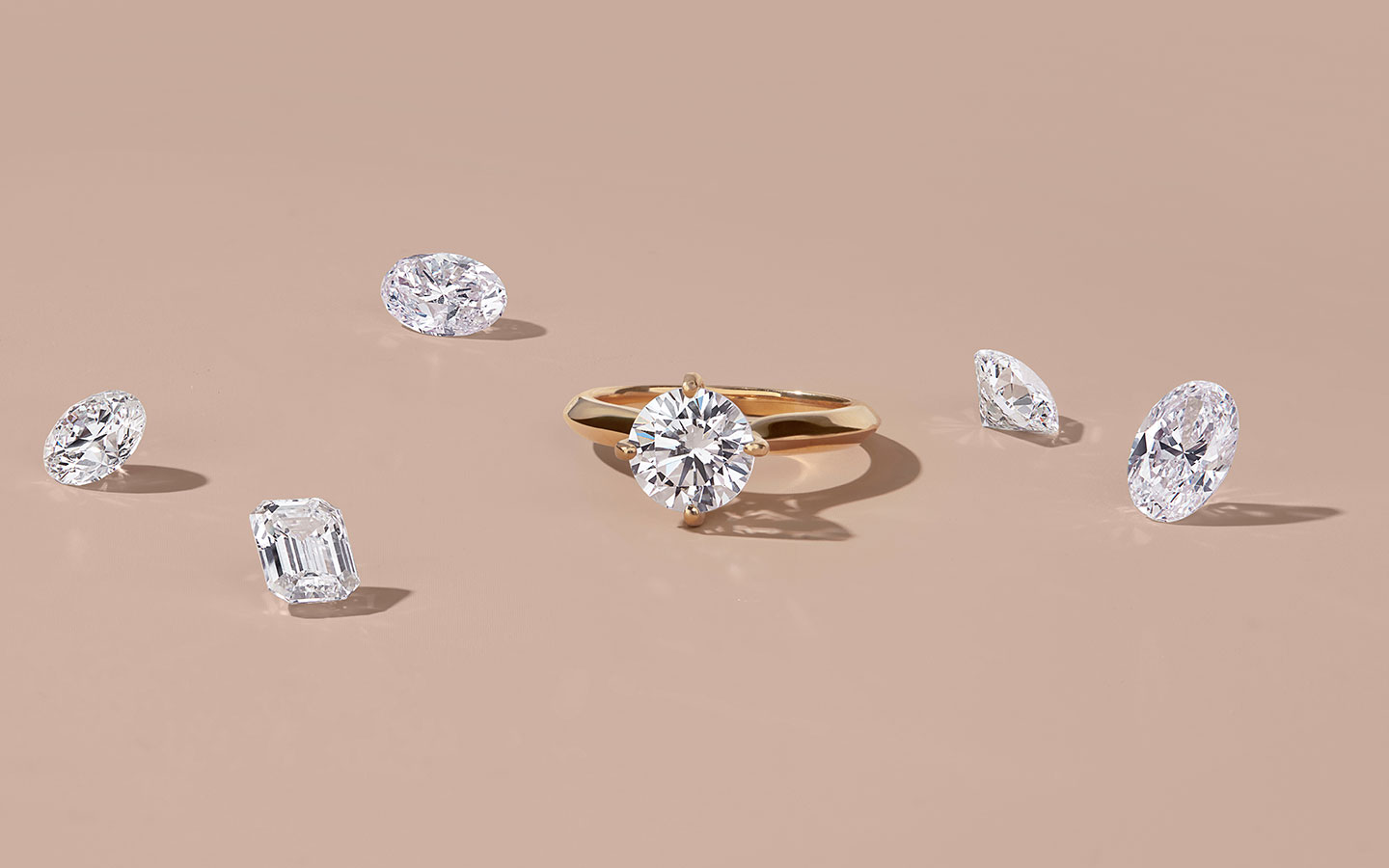
When it comes to purchasing lab-created diamonds, one of the most important decisions you’ll make is selecting the right certification for your diamond. Two of the most well-known and reputable gemological organizations in the world are the Gemological Institute of America (GIA) and the International Gemological Institute (IGI). Both provide certifications for diamonds, including lab-created diamonds, but there are differences in their grading systems and reputation that may influence your purchase. In this article, we’ll compare GIA vs IGI certifications, helping you understand which one might be the better choice when purchasing a lab-created diamond.
What are Lab-Created Diamonds?
Before diving into the specifics of GIA vs IGI, it’s important to understand what lab-created diamonds are. Lab-created diamonds, also known as lab-grown or man-made diamonds, are real diamonds that are produced in a laboratory under controlled conditions. These diamonds are made using two primary methods: High Pressure High Temperature (HPHT) and Chemical Vapor Deposition (CVD). Both methods replicate the natural conditions that cause diamonds to form in the Earth’s crust, resulting in diamonds that are virtually identical to natural diamonds in terms of their chemical composition, physical properties, and appearance.
Lab-created diamonds offer an ethical and environmentally friendly alternative to mined diamonds, as they require fewer resources and cause less environmental damage. They also tend to be more affordable than natural diamonds, making them an attractive option for consumers.
GIA: The Gold Standard for Diamond Certification
The Gemological Institute of America (GIA) is one of the most respected and trusted names in the world of diamond certification. Established in 1931, the GIA is a nonprofit organization that is widely recognized for its rigorous grading standards and scientific approach to gemology. The GIA is perhaps best known for developing the 4Cs grading system—Cut, Color, Clarity, and Carat weight—which is now the global standard used by the diamond industry.
GIA’s Certification for Lab-Created Diamonds
The GIA certifies both natural and lab-created diamonds, and its grading system for lab-grown diamonds is very similar to that for natural diamonds. Lab-created diamonds are graded based on the same 4Cs—Cut, Color, Clarity, and Carat weight—and the GIA’s grading reports for lab-grown diamonds are extremely detailed and precise. Each GIA certificate includes information such as the diamond’s exact measurements, weight, clarity, color, and the type of cut, as well as a unique laser inscription that can be used to identify the diamond.
One of the standout features of the GIA certification is its transparency and consistency. The GIA uses strict grading standards, and its reports are widely regarded as being reliable and unbiased. As a result, many consumers prefer purchasing lab-created diamonds with GIA certification, as it provides them with the confidence that the diamond has been graded by one of the most reputable and trusted institutions in the industry.
Why Choose GIA Certification for Lab-Created Diamonds?
The GIA’s certification is often considered the gold standard for diamonds, and there are several reasons why it is highly sought after:
-
Reputation and Trustworthiness: The GIA has a long history of providing accurate, reliable, and unbiased grading reports. Its grading system is recognized worldwide, and its reports are trusted by both jewelers and consumers alike.
-
Consistent and Transparent Grading: The GIA uses a consistent and transparent grading system, which means that you can trust that the grades assigned to a lab-created diamond are accurate and reliable.
-
Comprehensive Reports: GIA certificates provide detailed information about a lab created diamonds, including all of the important factors like cut, color, clarity, and carat weight, as well as a laser inscription for identification.
-
Global Recognition: Because the GIA is so well-known and respected, its certification is widely accepted and recognized around the world, which can add value to your diamond when it comes time to resell or insure it.
IGI: A Reputable Alternative for Lab-Created Diamonds
The International Gemological Institute (IGI) is another highly regarded gemological laboratory that offers diamond grading and certification services. Founded in 1975, IGI is known for its global presence and its ability to provide certificates for a wide range of gemstones, including diamonds, colored stones, and pearls. Like the GIA, IGI certifies both natural and lab-created diamonds and uses a similar grading system based on the 4Cs.
IGI’s Certification for Lab-Created Diamonds
IGI’s certification process for lab-grown diamonds is similar to that of GIA, and the organization uses the same grading scale for the 4Cs. IGI certificates provide information on the diamond’s cut, color, clarity, carat weight, and any additional details such as the type of cut and the presence of any inclusions. One of the key differences between IGI and GIA is that IGI also provides a report that indicates whether the diamond is lab-grown, which is crucial for those who want to make an informed decision about the origin of their diamond.
IGI has a good reputation in the industry, and many consumers find that its certification process is straightforward and easy to understand. However, it’s important to note that IGI’s grading standards are sometimes considered to be slightly more lenient than GIA’s, meaning that a diamond certified by IGI may be graded slightly higher than a comparable GIA-certified diamond.
Why Choose IGI Certification for Lab-Created Diamonds?
While GIA is often considered the gold standard, IGI is still a trusted and respected certification body. Here are some reasons why you might choose IGI certification for your lab-created diamond:
-
Global Presence: IGI has a broad international network, with offices in many countries. This makes it easy for consumers around the world to access IGI-certified diamonds.
-
Clear Identification of Lab-Grown Diamonds: IGI provides clear and transparent labeling of lab-created diamonds, ensuring that consumers can easily distinguish between natural and man-made diamonds.
-
Detailed Grading Reports: IGI provides comprehensive grading reports that give you important information about your lab-created diamond, including its cut, color, clarity, and carat weight.
-
Affordability: IGI-certified diamonds tend to be priced more competitively than GIA-certified diamonds, making them an attractive option for consumers on a budget.
GIA vs IGI: Key Differences
While both GIA and IGI provide reputable certification for lab-created diamonds, there are some important differences to consider:
-
Grading Rigidity: GIA is generally considered to have more rigid grading standards than IGI. This means that GIA-certified diamonds may be graded more conservatively than IGI-certified diamonds, potentially resulting in a more accurate reflection of the diamond’s quality.
-
Reputation and Recognition: GIA has a longer history and a more established reputation in the diamond industry. It is widely considered the most prestigious certification body for both natural and lab-grown diamonds. IGI is also reputable but may not carry the same level of prestige, especially in markets like the U.S.
-
Price: IGI-certified diamonds tend to be more affordable than GIA-certified diamonds. However, this can sometimes be attributed to slightly more lenient grading standards.
-
Global Acceptance: GIA certificates are more widely recognized around the world, which can make a difference when it comes time to resell or insure the diamond. IGI is also internationally recognized but may not have the same level of influence in all markets.
Conclusion: Which Certification Should You Choose?
When choosing a lab-created diamond, both GIA and IGI offer excellent certification options, but the best choice depends on your priorities. If you value the highest level of transparency, consistency, and reputation, GIA is often the preferred choice. It is the gold standard for diamond certification and is widely trusted for its accuracy.
On the other hand, if you’re looking for a more affordable option that still provides reliable certification, IGI may be a good choice for you. While it may have slightly more lenient grading standards, it is still a respected certification body and offers comprehensive reports.
Ultimately, whether you choose GIA or IGI, both organizations provide a trustworthy certification for your lab-created diamond, ensuring that you can make an informed decision and enjoy the beauty of your diamond with confidence.