
Introduction
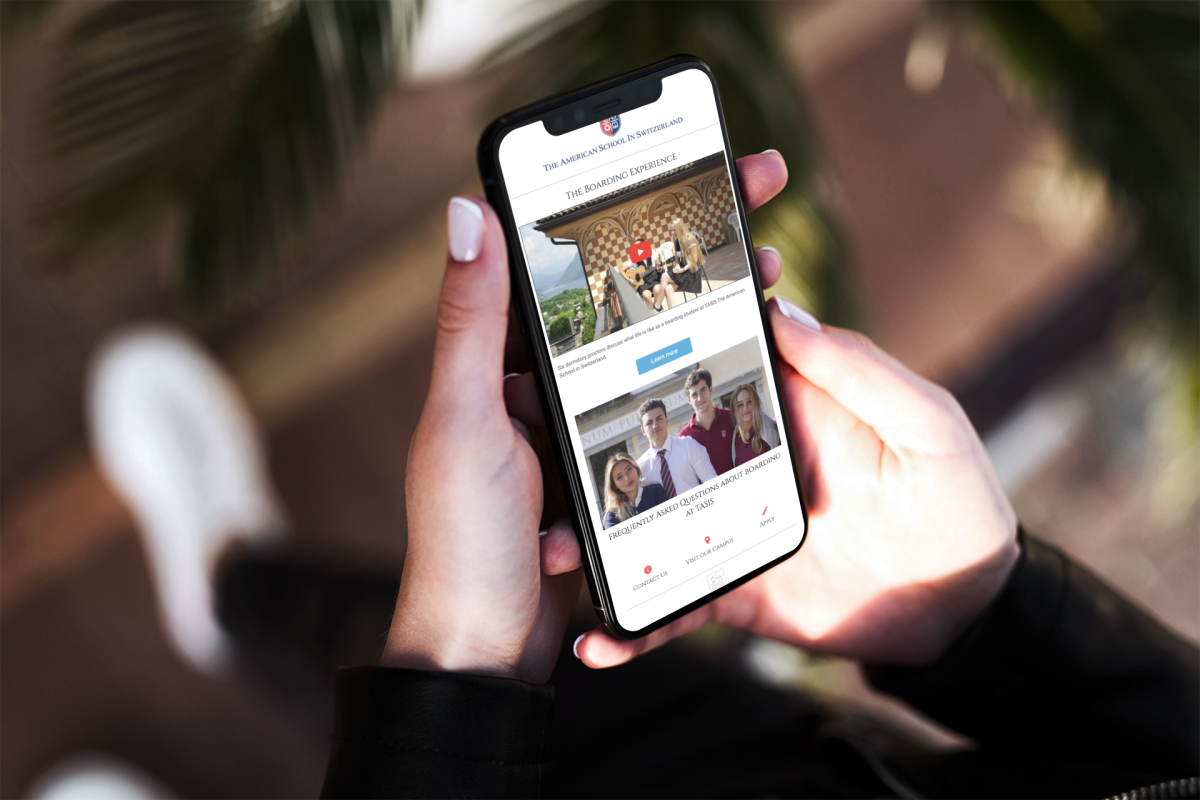
Kick off the article by acknowledging how drastically email consumption habits have shifted, with over 70% of emails now opened on mobile devices. Set up the tension: despite this clear trend, many brands still design for desktop first or use static, image-heavy emails that frustrate mobile users. Briefly explain why mobile-friendly, responsive email templates aren’t just a nice-to-have anymore — they’re business-critical tools for engagement, conversions, and brand perception in 2025. Tease what readers can expect to learn in this guide.
Why Mobile-First Isn’t a Trend — It’s the New Standard
More than 70% of people open emails on their phones, not computers. Imagine winning a prize, but the check is too big to fit in an ATM — that’s what it feels like when emails aren’t made for mobile. Text is tiny, buttons are hard to tap, and images break. Customers get frustrated and leave. Brands that still focus on desktop designs are missing out on clicks, sales, and loyal fans. A mobile-friendly email template fixes this by making messages easy to read, fast to load, and simple to use on any screen. In today’s mobile world, this isn’t just a smart move — it’s the new standard for successful email marketing.
What Makes an Email ‘Mobile-Friendly’ Today
Being mobile-friendly means more than just shrinking your email to fit a small screen. A mobile-responsive email adjusts its size, but a truly mobile-friendly email is designed for how people use their phones. It loads quickly, uses short, clear text, and makes it easy to scroll with your thumb. Buttons are big enough to tap without zooming, fonts are clean and easy to read, and key messages appear right away. Bold call-to-action (CTA) buttons guide readers on what to do next. It’s not just about how an email looks — it’s about making the entire experience fast, simple, and frustration-free for mobile users.
Why It’s Time to Design Emails Mobile-First, Not Mobile-Optimized
Designing emails for mobile-first is smarter than simply adjusting desktop emails for phones. When you start with mobile, you focus on what matters most: clear messages, fast load times, and easy navigation. Mobile-first emails use single-column layouts, bold headlines, and short, simple text that’s easy to scan. Important offers and call-to-action (CTA) buttons appear early, so users don’t have to scroll to find them. This approach makes your email clean and clear on phones, and it naturally scales up to desktop, instead of trying to squeeze a big, busy design into a small screen. It’s faster, smarter, and better for engagement.
Choosing the Right Approach — Responsive, Mobile-Friendly, or Hybrid?
In email design, there are three main styles: responsive, mobile-friendly, and hybrid. Responsive emails adjust their layout to fit any screen, making them great for all devices but a bit tricky to code. Mobile-friendly emails use a simple, fixed width that works well on phones but can look plain or awkward on desktops. Hybrid emails mix both, using flexible layouts without relying too much on special coding. In 2025, with so many devices and screen sizes, fully responsive or hybrid designs are the smartest choices. They offer the best mix of looks, function, and flexibility, while old, static layouts risk losing clicks on anything but a phone.
No-Code Builders vs. Hand-Coding — Which One Wins in 2025?
No-code email builders will have made creating mobile-friendly emails faster and easier than ever. These tools offer drag-and-drop features, built-in responsiveness, and testing options to see how emails look on different devices. Marketers can build great-looking emails without touching a single line of code. While hand-coding offers full control for complex designs, it’s time-consuming, tricky to test, and risks displaying issues across email apps. Today’s no-code tools handle most needs with speed, quality, and mobile-first best practices baked in. For most brands, no-code builders are the smarter, scalable choice, saving time while still delivering polished, professional results.
Testing, Speed, and Continuous Optimization — The Non-Negotiables
Even a well-designed email can fail if it’s slow, buggy, or hard to read. That’s why testing and speed are non-negotiable. Every email should be checked on different devices, screen sizes, and in dark mode to catch issues like tiny buttons or broken layouts. Slow-loading images or missing ALT text can frustrate users and hurt engagement. Smart marketers compress images, use clear ALT text, and test for dark mode readability. It’s also important to track mobile-specific email metrics like open rates, click-throughs, and load times, and keep improving based on what works. Small tweaks can make a big difference.
Conclusion
Email marketing in 2025 belongs to brands that embrace mobile-first, responsive design as a standard, not a feature. Reinforce that prioritizing seamless mobile experiences improves engagement, click-throughs, and conversions. Encourage readers to audit their current email strategy, upgrade their templates and tools, and adopt the practices discussed to stay ahead in an increasingly mobile-driven landscape.