
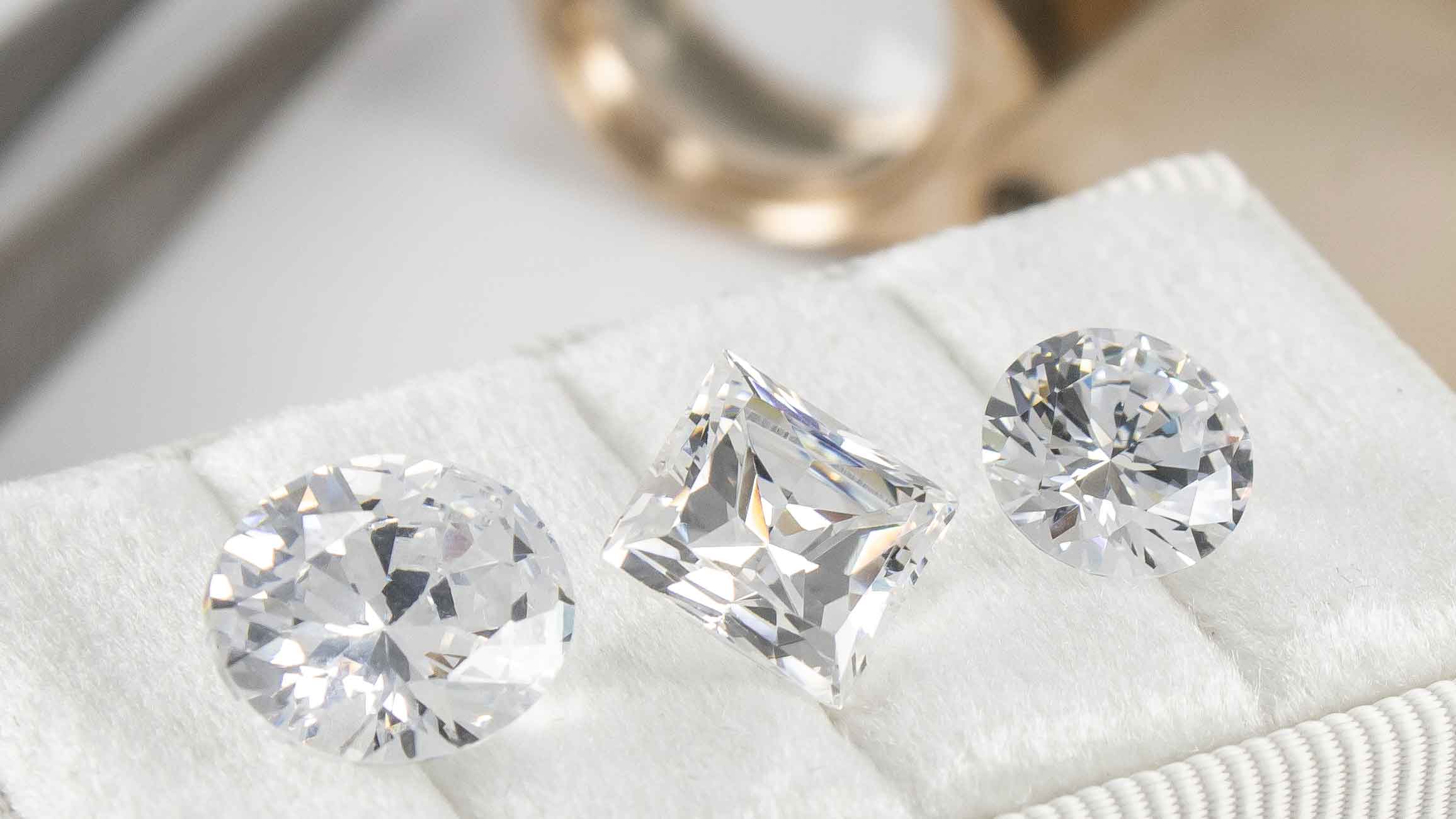
Diamonds are celebrated not only for their brilliance and rarity but also for the variety of cuts available. Whether you’re buying a diamond engagement ring, a necklace, or simply investing in fine jewelry, the cut is one of the most crucial factors to consider. The cut of a diamond determines its sparkle, how light is reflected within the stone, and ultimately, its aesthetic appeal. Alongside natural diamonds, lab created diamonds have become a popular choice for consumers looking for ethical, high-quality, and budget-friendly options. In this article, we will explore the different cuts of diamond, how they affect the stone’s appearance, and why lab created diamonds are gaining traction in the market.
What Is a Diamond Cut?
The “cut” of a diamond refers to how well the diamond has been shaped and faceted, impacting the diamond’s overall look. A well-cut diamond has the ability to reflect light effectively, making it sparkle. The quality of the cut can elevate the visual appeal of the stone, making it appear larger and more brilliant.
Unlike the color or clarity of a diamond, the cut is something that is influenced by the skill of the jeweler and the diamond’s shape. It’s essential to understand the different cuts of diamonds before making an investment in these precious stones.
The Different Cuts of Diamond
Diamonds come in various cuts, each with its own unique characteristics. The most popular cuts of diamonds include:
1. Round Cut
The round cut is the most popular and traditional of all the different cuts of diamonds. With 58 facets, the round cut maximizes a diamond’s brilliance and sparkle. The round cut is ideal for those who prefer classic, timeless designs. It is a versatile choice and works well with various settings, including solitaire, three-stone, and halo settings.
2. Princess Cut
The princess cut is the second most popular diamond cut. It features sharp corners and a square or rectangular shape. With 76 facets, the princess cut diamond has a brilliant sparkle. This cut is especially favored for its modern and sophisticated appeal, making it an ideal choice for those looking for something less traditional but still radiant.
3. Emerald Cut
The emerald cut is a step-cut style, known for its rectangular shape and elongated facets. Unlike the round or princess cuts, the emerald cut emphasizes clarity and less on brilliance. This cut is characterized by its “hall of mirrors” effect, where the light reflects in long lines. People who opt for the emerald cut often appreciate the understated elegance and vintage look it offers.
4. Cushion Cut
Cushion cut diamonds are a blend of the round and square shapes, with rounded corners. They have a soft, vintage appearance that appeals to those seeking a classic yet romantic feel. Cushion cuts are also known for their ability to showcase the diamond’s clarity and depth. The cushion cut has evolved over time, offering variations like the modified cushion or antique cushion, adding further options to those interested in different cuts of diamond.
5. Oval Cut
Oval cut diamonds are similar to round cut diamonds, but with an elongated shape. This cut gives the illusion of a larger diamond, making it an ideal option for those who want a bigger-looking stone at a more affordable price. Oval cuts also offer a distinct look that pairs well with different ring settings, and its shape often appeals to those seeking something a bit different from the typical round cut.
6. Radiant Cut
Radiant cut diamonds are a square or rectangular shape with trimmed corners. They are a blend of the cushion cut and emerald cut, with facets that give them brilliant sparkle. The radiant cut is often chosen for its versatility, as it can enhance both traditional and contemporary designs. The diamond’s brilliance and fire are significantly enhanced through this cut, making it a popular choice among those looking for a dazzling appearance.
7. Asscher Cut
The Asscher cut is similar to the emerald cut but square in shape. It features step-cut facets and is often favored by those who enjoy the vintage feel of the Art Deco era. The Asscher cut is less common than some of the other different cuts of diamonds, giving it a unique appeal for individuals seeking something distinctive.
8. Marquise Cut
The marquise cut is an elongated shape with pointed ends, offering a dramatic, elegant look. This cut maximizes the diamond’s size and is a great option for those who want a large-looking stone without the higher cost associated with round cuts. The marquise shape is often used in vintage-inspired rings and designs, making it a favorite for those looking for a distinctive and regal appearance.
9. Pear Cut
The pear cut is a hybrid between the oval and marquise shapes, with a rounded bottom and a pointed top. This unique shape gives it a teardrop-like appearance, which is why it is often referred to as a “teardrop” diamond. The pear cut is frequently used in pendant necklaces and drop earrings due to its graceful and elegant design.
Lab Created Diamonds: The Ethical and Sustainable Choice
While traditional diamonds are mined from the earth, lab created diamonds are produced in controlled laboratory environments. They are made using either High Pressure High Temperature (HPHT) or Chemical Vapor Deposition (CVD) technology, which replicates the natural diamond-growing process but in a fraction of the time.
Lab created diamonds are chemically and physically identical to natural diamonds. The primary difference lies in their origin. Lab created diamonds are often seen as a more ethical and sustainable option due to the environmental and social impacts associated with traditional diamond mining.
Why Choose Lab Created Diamonds?
Choosing lab created diamonds over natural diamonds can offer several advantages:
-
Ethical Sourcing: Lab created diamonds do not contribute to the negative effects associated with diamond mining, such as exploitation of workers and environmental damage.
-
Cost-Effectiveness: Lab created diamonds are typically 20-40% less expensive than natural diamonds. This is because they don’t require the expensive mining process.
-
Environmental Impact: The production of lab created diamonds generates less environmental impact compared to mining. The carbon footprint is significantly lower, making them a more eco-friendly option.
-
Quality and Aesthetics: Just like natural diamonds, lab created diamonds come in a variety of cuts, including the popular round cut, princess cut, and cushion cut, offering consumers the same sparkle and brilliance. They are available in the same quality grades, with excellent clarity, color, and cut.
Conclusion
The different cuts of diamonds play a crucial role in how the stone reflects light, its overall brilliance, and how it fits into the design of jewelry. Whether you are drawn to the classic round cut, the elegance of the emerald cut, or the unique appearance of the marquise, choosing the right cut is essential for achieving the desired look.
On the other hand, lab created diamonds offer a sustainable and cost-effective alternative to natural diamonds, without sacrificing quality or beauty. As technology advances, the popularity of lab created diamonds is expected to rise, making them a viable option for those seeking an ethical and brilliant stone.
Ultimately, whether you choose a traditional diamond or a lab created diamond, the cut remains a fundamental factor in achieving a stunning piece of jewelry that will last a lifetime.