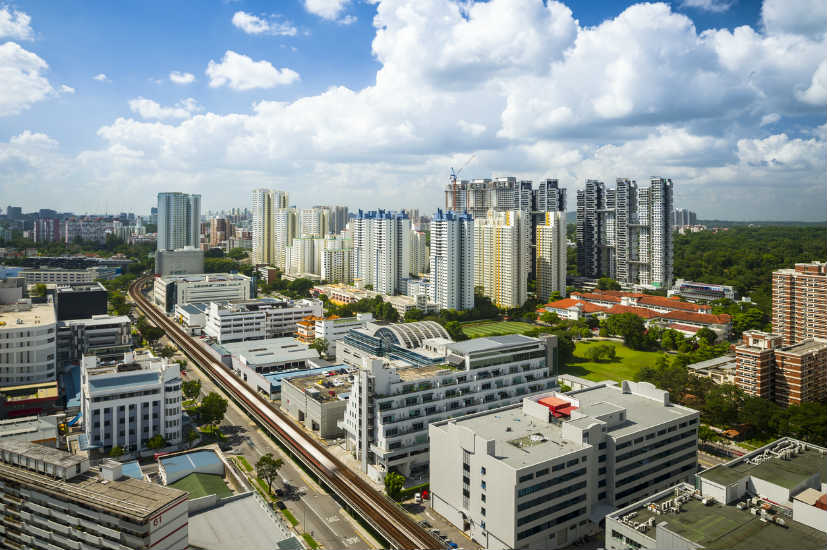

Toronto’s dynamic architecture and evolving urban lifestyles are driving revolutionary changes in home design. With 62% of Canadian renovators prioritizing sustainability and personalization (CHBA 2025), the city’s renovation landscape is blending innovation with functionality. This guide explores the defining modern trends transforming Toronto homes this year.
Sustainable & Eco-Conscious Designs
Toronto’s Green Renaissance
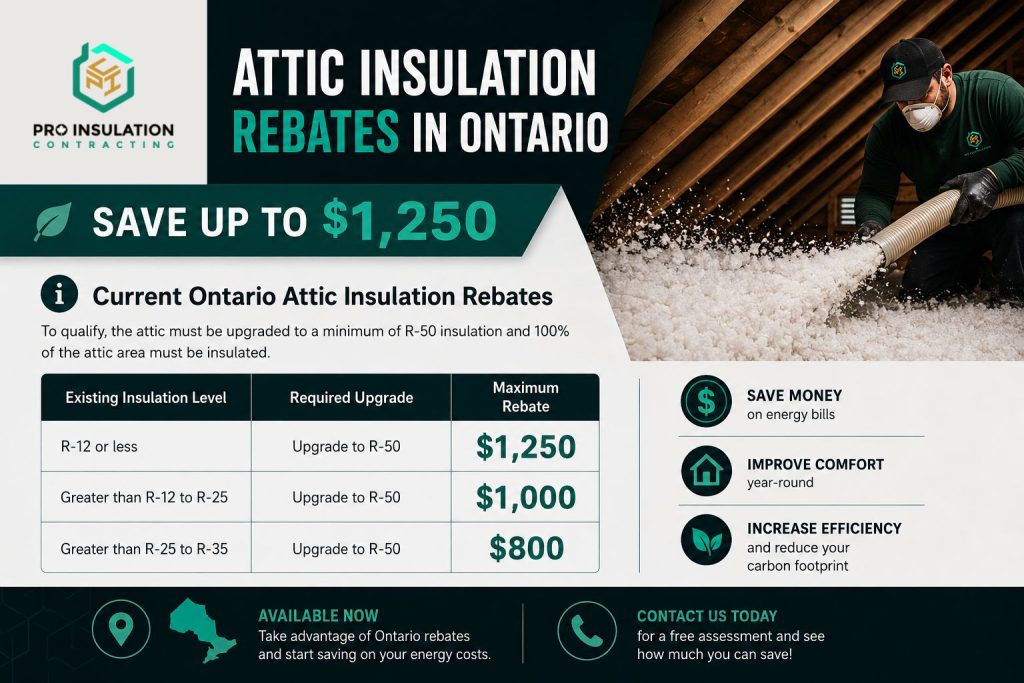
Sustainability is now foundational, not optional. Energy-efficient retrofits can reduce household consumption by 25–30% annually, while Toronto-specific incentives like the Home Energy Loan Program (HELP) offer 0% financing for green upgrades.
Key implementations include:
- Solar-Ready Roofs: Preparing homes for future photovoltaic installations
- High-Performance Insulation: Spray foam and cellulose insulation minimizing thermal bridging.
- Localized Materials: Reclaimed Ontario barn wood, recycled glass countertops, and low-VOC finishes.
Table: Sustainable Material Comparison
| Material | Toronto Source | Eco-Benefit |
| Bamboo Flooring | EcoWood Ontario | Rapidly renewable, carbon-negative |
| Recycled Glass Tile | Habitat ReStore GTA | 85% post-consumer content |
| Low-VOC Paints | Toronto Green Standards | Improves indoor air quality by 78% |
Smart Home Integration:
Intelligent systems are now standard in home renovations Toronto:
- Energy Management: Real-time usage dashboards optimizing electricity/water consumption.
- Climate-Adaptive Systems: Smart thermostats adjusting to Toronto’s seasonal shifts.
- Security Enhancements: AI-powered cameras with facial recognition.
Pro Tip: Integrate wiring conduits during renovations for future tech upgrades.
Multifunctional & Flexible Spaces
With 43% of Torontonians working hybrid schedules 1, rooms serve dual purposes:

Design Insight: Sliding partitions and modular furniture maximize square footage in row houses.
Biophilic Design
Toronto’s biophilic trend focuses on wellness through:
- Living Walls: Improved air quality and noise reduction in high-rises.
- Maximized Natural Light: Oversized windows and solar tubes combat seasonal affective disorder.
- Natural Material Palette: Limestone accents, cedar ceilings, and hemp textiles.
Case Study: Riverdale homes use vertical gardens to reduce urban heat island effects.
Heritage-Meets-Modern
35% of Toronto homes are pre-1960, requiring sensitive updates:
- Facade Conservation: Restoring original brickwork while adding interior insulation
- Vintage-Modern Fusion: Clawfoot tubs paired with smart water systems
- Energy Upgrades: Triple-glazed windows meeting Heritage District guidelines
Bold Kitchens & Spa Bathrooms
Kitchens now feature:
- Two-tone cabinetry (e.g., navy lowers + oak uppers)
- Quartz countertops with geometric backsplashes
- Smart appliances with ENERGY STAR® Most Efficient 2025 ratings
Bathrooms evolve into wellness zones:
- Freestanding sculptural tubs
- Heated terrazzo flooring
- Chromotherapy showers
Four-Season Outdoor Living
Backyards now function year-round:
- Pergolas with retractable roofs
- Heated patios and weather-resistant cedar saunas
- Native Landscaping: Drought-resistant plants reducing water use by 40%
ROI-Focused Upgrades
Table: Renovation ROI in Toronto (2025)
| Upgrade | Average Cost | Value Added |
| Kitchen Remodel | $25,000–$60,000+ | 75% ROI |
| Legal Basement Suite | $40,000–$100,000 | 15–20% property value increase |
| Bathroom Spa Conversion | $15,000–$40,000 | 70% ROI |
| Energy Efficiency Retrofits | $15,000–$30,000 | $1,200 annual savings |
FAQs: Toronto’s 2025 Renovation Trends
Q: How do Toronto heritage restrictions affect renovations?
A: Heritage districts require permit approvals for exterior changes. Work with contractors experienced in Toronto’s Heritage Conservation District guidelines.
Q: What’s the timeline for a full home renovation?
A: 3–6 months, depending on scope. Permits add 4–8 weeks—start early!
Q: Are smart home upgrades worth the cost?
A: Yes—homes with integrated tech sell 11% faster in Toronto.
Q: How can small homes gain space without additions?
A: Utilize vertical storage, fold-away systems, and basement conversions.
Why Toronto’s Trends Demand Specialized Contractors
“Renovating heritage properties or installing solar-ready systems requires deep knowledge of local codes. Toronto homeowners should prioritize contractors with:
- LEED or Built Green® certifications
- Heritage restoration portfolios
- Familiarity with Toronto permit processes
For projects aligning with these trends, trust home renovation toronto experts with 15+ years of city-specific experience.
The Future-Forward Toronto Home
2025’s designs aren’t just aesthetic—they’re responses to urban challenges:
- Climate Resilience: Flood-resistant basements and heat-reflective roofing
- Generational Flexibility: Main-floor suites for aging parents
- Tech-Adaptive Frameworks: Conduits for future AI integrations
Final Insight:Toronto’s renovation scene reflects its identity, historic yet innovative, compact yet sustainable. By embracing these trends, homeowners invest in both personal comfort and the city’s evolving landscape.